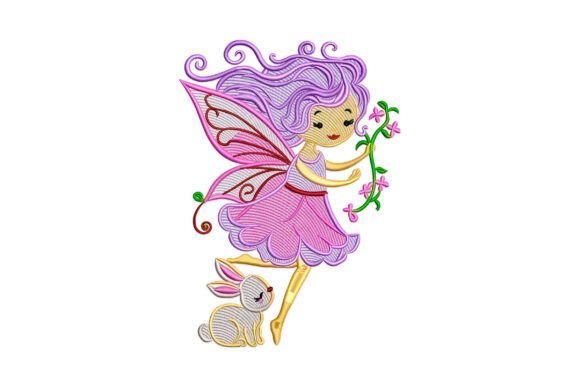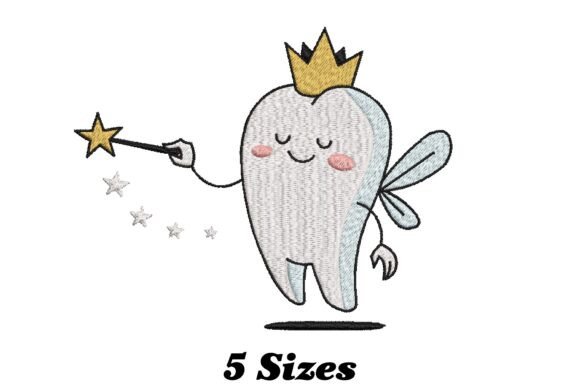
Tooth Fairy Magic
First Impression: Whimsical, Quirky, and Instantly Recognizable
As an embroidery designer who’s prepped over 200 craft fair booths—and watched thousands of shoppers pause at a single stitch—I’ll say it plainly: Tooth Fairy Magic lands with charm, not clutter. It’s not farmhouse, not minimalist, not vintage—it’s playful modern with a soft storybook warmth. That “touch of charm” in the description isn’t marketing fluff; it’s accurate. The title alone sparks recognition and smile reflexes—especially among parents, teachers, gift buyers, and nostalgic adults. At a crowded handmade market, that emotional hook is gold.
Where It Shines on Craft Fair Products
Tote bags are the #1 vehicle for Tooth Fairy Magic. Positioned near the handle or centered low on the front panel, it reads clearly from three feet away—no squinting, no confusion. It feels intentional, not generic. On aprons, especially denim or linen blends, it adds personality without overwhelming function. A small version above the pocket? Perfect. For tea towel embroidery, it holds up beautifully when stitched with medium-density fill and balanced thread colors—just avoid placing it directly over thick terry loops where detail could blur.
Pillow covers (especially 16x16” cotton-linen blends) give Tooth Fairy Magic room to breathe as a focal design. Paired with neutral fabric, it becomes giftable—ideal for baby showers, dentist office gifts, or back-to-school bundles. As an embroidered patch, it translates cleanly at 3–4”, especially when heat-applied to denim jackets or canvas pouches. And yes—it works on caps, but only with careful placement (center front, above the bill curve) and lightweight stabilizer to prevent puckering.
What Holds It Back (And How to Fix It)
This isn’t a one-size-fits-all machine embroidery design. Its “fun and quirky” energy depends entirely on execution. Tiny details—like a glittery tooth sparkle or fine script lettering—can vanish on textured towels or dark fabric unless you adjust stitch density and choose high-contrast thread colors. Dense fill areas may cause stiffness on lightweight knits (think toddler tees), so always test on scrap fabric first. If your embroidery file includes fine linework or micro-lettering, skip using it below 2.5” wide on curved surfaces like caps or small pouches—it’ll lose clarity fast.
Also: don’t assume it’s ready for commercial embroidery out of the box. Review the design assets carefully. Does the file include multiple sizes? Is there a simplified version for small-scale items? Does it specify recommended stabilizer type for high-pile fabrics? These aren’t nitpicks—they’re profit protectors. One poorly hooped Tooth Fairy Magic on a premium tea towel can cost you a booth sale *and* an Etsy review.
Photography, Listings, and Online Conversion
This design photographs exceptionally well—especially on natural-light mockups. Use a printable mockup with soft shadows and subtle texture to show depth, not flatness. On Etsy listings, pair it with lifestyle shots: a child holding a tooth under a pillow, a stack of embroidered tea towels folded beside a mug, or a tote bag slung over a market chair. Avoid pure white backgrounds—Tooth Fairy Magic thrives in context. Its whimsy reads best when grounded in real life.
For digital sellers, bundle it thoughtfully: offer the embroidery file with suggested thread colors, a quick-start PDF guide (hoop size notes, stabilizer tips), and two printable mockups—one for social posts, one for listing thumbnails. That turns a simple digital embroidery file into a complete small shop product toolkit.
Booth Strategy: Stand Out Without Screaming
In a sea of florals and monograms, Tooth Fairy Magic stands out by being *specific*. It’s not “cute”—it’s *tooth fairy cute*. That specificity builds instant connection. I recommend displaying it across three tactile formats: a finished embroidered pillow cover (folded, fabric visible), a sewn-on patch on a denim pouch (unzipped, showing interior lining), and a tea towel draped over a ceramic pitcher. This shows versatility *and* quality in one glance.
Don’t forget your craft fair product storytelling: add a tiny chalkboard tag reading “For dreamers, believers, and kids who still leave notes under their pillows.” That transforms a decorative stitch into a shared moment—and makes customers linger longer.
Production Notes Every Embroidery Designer Should Check
- Test before batch: Stitch Tooth Fairy Magic on each fabric type you plan to use—especially terry cloth, twill, and stretchy knits.
- Thread contrast matters: Light thread on dark fabric needs tighter satin stitches; dark thread on light fabric benefits from matte poly for softness.
- Hoop size & spacing: Confirm the largest version fits comfortably in your standard hoop with ½” margin. Tight spacing between elements = higher risk of thread breaks.
- Stabilizer strategy: Use cutaway for knits, tear-away for stable wovens, and fusible + tear-away for towels. Skimp here, and your handmade product looks amateur.
- Create at least one real mockup: A photo of the actual embroidered item—not just software preview—reveals how light hits the stitches and whether details pop.
- Compare fabric colors: Ivory thread on oatmeal linen reads warm and cohesive; on charcoal gray, it fades. Always hold thread against fabric under natural light.
- Confirm commercial licensing: Since this is marketed for t-shirts, towels, and home decor, verify your license permits finished-product resale—especially for Etsy sellers and boutique makers.
Final Verdict: A High-Return, Low-Risk Design Asset
Tooth Fairy Magic isn’t just another machine embroidery design. It’s a conversation starter, a giftable moment, and a reliable seller across categories—from Bed-adjacent items like pillow covers to kitchen staples like tea towels. It balances quirk with quality, fun with finish. In a weekend craft fair, it won’t shout—but it will be remembered. And in a handmade shop or Etsy store, it converts because it feels personal, not mass-produced. Just remember: its magic isn’t automatic. It’s earned through smart testing, thoughtful placement, and respect for fabric, thread, and customer expectation. Stitch it right—and watch it earn its wings.